November 3, 2020 1-3:00 pm
S. Bruce Martin, Ph.D., Emeritus Professor of Turf Pathology, Plant and Environmental Sciences Department, Clemson University, Pee Dee Research and Education Center, Florence, South Carolina
Jim P. Kerns, Ph.D., Associate Professor of Entomology and Plant Pathology, North Carolina State University, Raleigh, North Carolina
J. Bryan Unruh, Ph.D., Professor of Environmental Horticulture, University of Florida, Jay, Florida
Old Tom Morris may not be as old as King Arthur, but he too cast his followers on a quest for a goal, a grail, that has proved elusive over centuries, the pursuit of the perfect golf course grass. For golf course superintendents, the search will likely never end, but science constantly brings new clues to challenges old and new. In this forum, three experts in their field discuss and explore answers to the ailments affecting warm-season turfgrasses including bermudagrass, zoysiagrass and paspalum. They will also detail avenues for promoting optimal conditioning.
The roundtable format allows each presenter to weigh-in with their unique perspective on key issues that influence the health and performance of warm-season turfgrasses. Attendees will have the opportunity to pose questions to these presenters who draw from decades of experience in some of the game’s most concentrated regions in the world. From Florida to the Carolinas, they have talked, walked and worked with superintendents at the far ends of the budget spectrum and all parts in between.
 |  |  |
| GCSAA Credits: .20 | BIGGA Credits: 2 | Pesticide Credits for these states: |
| CO: 2, FL: 2, GA: 2, HI: 2, MD: 4 ●, NC: 2, SC: 2, TN: 2, VA: ✔, DC: 2 | ||
| ✔ Must Take (2) Seminars See chart for details | ||
| ● Maryland – Qualifies for 2 CEU’s for PFA |
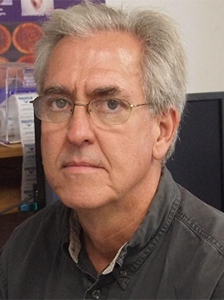
Dr. Bruce Martin is Emeritus Professor of Plant Pathology, and the former research and extension turfgrass pathologist for South Carolina. He has been active in turf research, extension and teaching for 30 years with Clemson University. He holds degrees from Hendrix College, the University of Arkansas and North Carolina State University. Martin’s research emphasized disease control programs, nematode control, fungicide efficacy and diseases of turf caused by Rhizoctonia. He has authored or co-authored over 50 refereed journal publications, numerous popular articles and 14 book chapters.
In 2014, he received the Colonel John Morley Distinguished Service Award from GCSAA, among a list of honors that also includes the Fred V. Grau Award for Turfgrass Science from the Crop Science Society of America, the Outstanding Plant Pathologist for the Southern Division, American Phytopathological Society, the Distinguished Service Award from the Carolinas GCSA and the Outstanding Service award from the Turfgrass Council of North Carolina.
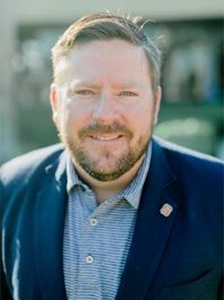
Dr. Jim Kerns is an Associate Professor and Extension Specialist of Turfgrass Pathology at NC State University. His program focuses on the etiology, epidemiology and management of turfgrass diseases of both warm- and cool-season grasses. His program actively researches how fungicides move in the root zone after post-application irrigation, take-all root rot etiology and management, and Pythium root rot management. Each year, his program conducts 50 to 70 different fungicide efficacy trials and examines over 400 samples for disease in the turfgrass diagnostic lab.
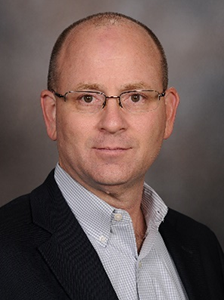
Dr. J. Bryan Unruh is a Professor of Environmental Horticulture at the University of Florida, IFAS, West Florida Research and Education Center. Dr. Unruh received his Ph.D. from Iowa State University and his M.S. and B.S. from Kansas State University. Dr. Unruh’s turfgrass science research and extension program is at the forefront of improving Best Management Practices (BMPs), understanding and changing consumer preferences and behavior related to landscape management, and testing new and novel grasses that have improved turfgrass performance characteristics and require fewer inputs to maintain them. Dr. Unruh’s team was selected to develop the BMP Planning Guide and Template for GCSAA with the end-goal of having golf-centric BMP manuals in all 50 states by the end of this year. Recently, he was made a Fellow of both the Crop Science Society of America and American Society of Agronomy.