The ‘Other’ Essential Elements, and Some that Might Be?

December 18, 2020 1-3:00 pm

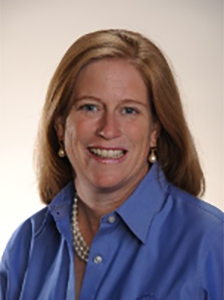
Beth Guertal, Ph.D., Professor of Turfgrass Management and Soil Fertility, Auburn University, Auburn, Alabama  

The seminar will discuss the ‘other’ essential nutrients – sulfur, calcium, magnesium – and some others that are ‘likely’ essential elements, such as silicon. Where do these nutrients fit in your management scheme, and do you even need to apply them as a part of your fertility plan? We’ll talk about some of these and their possible use in disease suppression, and why you might use others if you have sodic soils. 

This image has an empty alt attribute; its file name is GCSAACreditsLeaf.pngThis image has an empty alt attribute; its file name is BIGGALogoForCredits.pngThis image has an empty alt attribute; its file name is PestisidesCreditsLeaf.png
GCSAA Credits: .20BIGGA Credits: 2Pesticide Credits for these states:
DE: 2●, FL: 2, GA: 2,
MD: 4 ●, NJ: 4,
NY: 1.75, TN: 2, VA: ✔,
DC: 2,
CANADA IPM Pts: 1.25
✔ Must Take (2)
Seminars
See chart for details
● Delaware & Maryland –
Qualifies for 2 CEU’s for PFA

Beth Guertal, Ph.D., is the Rowe Endowed Professor in the Crop, Soil and Environmental Sciences Department at Auburn University. Dr. Guertal received her B.S. and M.S. degrees from The Ohio State University, and her Ph.D. from Oklahoma State University. Her research program focuses on soil fertility issues in turfgrass management. 

Guertal served as a technical editor for Crop Science, and as an associate editor for the Soil Science Society of America (SSSA) Journal, Crop Science and Agronomy Journal. Currently she is the immediate past-president of the Crop Science Society of America (CSSA) and a past-chair of Division C-5 (Turfgrass Management). She is a Fulbright Fellow and a Fellow of CSSA, SSSA and American Society of Agronomy.

Management of Ultradwarf Bermudagrass

December 15, 2020 1-3:00 pm   

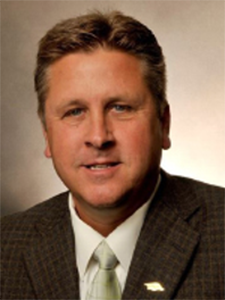
Jared R. Nemitz, Director of Golf Course Grounds, The Peninsula Club, Cornelius, North Carolina

With ultradwarf bermudagrass greens becoming more and more prevalent, golfers are demanding that turf managers produce ultradwarf greens that are both visually appealing and conditioned to produce exceptional ball roll. This seminar will give turf managers insight into various types of surface management techniques and other popular cultural practices being practiced at golf courses today.

The seminar attendee will have the opportunity to discuss: topdressing sands, winter covering strategies, aerification practices, the use of data collection and how it can assist in developing management practices that keep growth in a preferred range. Finally, fungicide applications, mowing strategies, growth regulators and green speeds will be discussed.

This image has an empty alt attribute; its file name is GCSAACreditsLeaf.pngThis image has an empty alt attribute; its file name is BIGGALogoForCredits.pngThis image has an empty alt attribute; its file name is PestisidesCreditsLeaf.png
GCSAA Credits: .20BIGGA Credits: 2Pesticide Credits for these states:
DE: 2, FL: 2, GA: 2,
HI: 2, MD: 4, NC: 2,
SC: 2, TN: 2, VA: ✔,
DC: 2
✔ Must Take (2)
Seminars
See chart for details

Jared R. Nemitzis Director of Golf Course Grounds at The Peninsula Club in Cornelius, North Carolina. He has a B.S. and M.S. from Purdue University. He also studied at The University of Aberystwyth in Wales in the United Kingdom for one semester. Nemitz has worked on many high-end golf courses across the world including The Kampen Golf Course at Purdue University, The Chevy Chase Club in Washington, DC, The Honors Course in Ooltewah, Tennessee, and St. Andrews Links and Trust in Scotland. He was also golf course superintendent at The Ford Plantation in Richmond Hill, Georgia. Nemitz has volunteered and assisted in tournament preparations for NCAA Championships, British Open, U.S. Open, U.S. Mid-Amateur, U.S. Senior Amateur and various PGA events.

Bentgrass Selection Management

December 14, 2020 1-3:00 pm                            

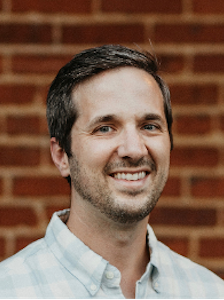
Dan Dinelli, Certified Golf Course Superintendent, North Shore Country Club, Glenview, Illinois

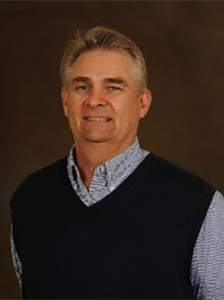
Derek Settle. Ph.D., Nematology, Turfdom Diagnostics, Griffin, Georgia

Information will be shared on various characteristics including quality rating, disease, spring green-up, organic matter development and more of creeping bentgrass cultivars. The seminar will also explore bentgrass cultivars’ competitiveness against Poa annua as well as tolerance to Poa Cure. Participants will also learn about control options for nematodes in bentgrass and practices and inputs to improve playability and plant health.

This image has an empty alt attribute; its file name is GCSAACreditsLeaf.pngThis image has an empty alt attribute; its file name is BIGGALogoForCredits.pngThis image has an empty alt attribute; its file name is PestisidesCreditsLeaf.png
GCSAA Credits: .20BIGGA Credits: 2Pesticide Credits for these states:
DE: 2, FL: 2, HI: 2,
MD: 4, NC: 2, NJ: 4,
OH: 2, SC: 2, TN: 2,
VA: ✔, DC: 2,
CANADA IPM Pts: 1.25
✔ Must Take (2)
Seminars
See chart for details

Dan Dinelli, certified golf course superintendent at North Shore Country Club, is a third-generation superintendent with comprehensive success meeting rigorous performance standards for resource management, agronomy, plant science, sustainability, environmental regulations, business operations and staff management. He is known for innovative thinking with significant achievements in ecology, Integrated Pest Management (IPM), organic amendments, applied microbiological principles, turfgrass and use of plant protectants.

He is also known for his focus on continual improvement in developing a systems approach to soil and plant health while delivering high level playing conditions. He is experienced in integrating plant genetics, physical, chemical, cultural practices and biological systems to enhance soil and plant ecology under a sustainable framework. Dinelli has successfully integrated this knowledge into golf course operations culminating in becoming a recognized resource within the golf course management industry.

Dr. Derek Settle is with Turfdom Diagnositcs, an independent lab, providing research and golf green consulting. He has a B.S. in Landscape Design and an M.S. in Plant Pathology from Kansas State University. His thesis focused on Disease Development of Tall Fescue and Perennial Ryegrass as Affected by Cultural Practices.” Also at Kansas State, he earned a Ph.D. in Nematology. His dissertation focused on “Pathogenicity of the Lance Nematode (Hoplolaimus galeatus) to Creeping Bentgrass.”

How Much Shade is Too Much Shade?

December 11, 2020 1-3:00 pm     

Mike D. Richardson, Ph.D., Professor of Horticulture, University of Arkansas, Fayetteville, Arkansas

This seminar will cover a range of topics related to light measurement on a golf course, as well as research information detailing the amount of light that grasses need to perform at expected levels. The first portion of the seminar will define the types of light that grasses need and how to accurately measure that light at a golf facility. The remainder of the seminar will summarize research findings that define the critical light levels needed for various species of golf course turf and how cultural practices and chemical products such as growth regulators and pigments can influence the minimum light requirements. Finally, the seminar will discuss integrated methods to improve turfgrass performance in limited light environments.

This image has an empty alt attribute; its file name is GCSAACreditsLeaf.pngThis image has an empty alt attribute; its file name is BIGGALogoForCredits.pngThis image has an empty alt attribute; its file name is PestisidesCreditsLeaf.png
GCSAA Credits: .20BIGGA Credits: 2Pesticide Credits for these states:
DE: 2, FL: 2, MD: 4,
NY: .5, TN: 2, VA: ✔,
DC: 2,
CANADA IPM Pts: 1.25
✔ Must Take (2)
Seminars
See chart for details

Mike Richardson, Ph.D., is professor of horticulture at the University of Arkansas. He earned a B.S. from Louisiana Tech University, an M.S. at Louisiana State University and his Ph.D. at the University of Georgia. Richardson’s research focuses on cultural practices that impact cool- and warm-season turfgrass production in the transition zone and he has been actively involved with research to screen and develop new turfgrass for a wide range of turfgrass environments.

Richardson’s regard in the turfgrass industry is reflected in the numerous awards he has received, including the John W. White Team Award for the Turfgrass Management Program at the University of Arkansas, Researcher of the Year from Seed Research of Oregon and as a Fellow in the American Society of Agronomy. In 2015, Richardson received the Fred V. Grau Turfgrass Science Award from the Soil Science Society of America. In addition to participation in many state and regional turfgrass conferences around the U.S., Richardson has lectured in China, Italy, and elsewhere in Europe on various topics related to turfgrass physiology and management. 

Bugs in a Jug: Understanding Natural Products for Turf

December 9, 2020 1-3:00 pm

Joseph A. Roberts, Ph.D. Assistant Professor of Plant and Environmental Sciences, Clemson University, Clemson, South Carolina

This seminar will provide an in-depth look of turfgrass microbiology and understanding friends and foes that impact turfgrass health. There are numerous products on the market today with claims to enhance soil or plant associated microbes in an effort to improve plant health. We will look at basic plant-microbe associations (i.e., good and bad) and how management inputs can impact microbes that live and grow in association with turfgrasses. We will also discuss soil amendments and their potential impact on turfgrass health.  

This image has an empty alt attribute; its file name is GCSAACreditsLeaf.pngThis image has an empty alt attribute; its file name is BIGGALogoForCredits.pngThis image has an empty alt attribute; its file name is PestisidesCreditsLeaf.png
GCSAA Credits: .20BIGGA Credits: 2Pesticide Credits for these states:
DE: 2, FL: 2, GA: 2,
HI: 2, MA: 2, MD: 4,
NC: 2, NJ: 4, NY: 1,
TN: 2, VA: ✔, DC: 2,
CANADA IPM Pts: 1.25
✔ Must Take (2)
Seminars
See chart for details
● Delaware
Qualifies for 2 CEU’s
for PFA

Joe Roberts, Ph.D., is an Assistant Professor and Extension Specialist in Turfgrass Pathology and Microbiology at Clemson University. He joined the Department of Plant and Environmental Sciences in fall of 2019. Joe received undergraduate degrees from North Carolina State University, an M.S. degree at Rutgers University in 2009, and his Ph.D. from North Carolina State University in 2014. Before coming to Clemson, Joe served as Turfgrass Pathologist at the University of Maryland for nearly five years. His research and extension programming focuses on plant pathogen interactions and cultural management tools to reduce fungal, nematode, and bacterial pathogens of amenity turfgrasses.  

Making Herbicides Work and Why They Sometimes Fail

December 7, 2020 1-3:00 pm 

Travis W. Gannon, Ph.D., Associate Professor, North Carolina State University, Raleigh, North Carolina

L. Bert McCarty, Ph.D., Professor of Turfgrass Science, Clemson University, Clemson, South Carolina

As professionals, we often are asked why herbicides do not work to the level expected. Many times, human error is involved in terms of misapplication timing, application method, not understanding how a particular product is designed to work, or sometimes simply using the wrong product. We will cover pre- and post-emergence products, how they are supposed to work, and explore reasons why they might not work as expected. We will also cover herbicide resistance, its occurrence, and what measures can be taken to avoid or manage existing resistant weed biotypes. Numerous examples will be covered of all topics with time for questions and in-depth discussions.

This image has an empty alt attribute; its file name is GCSAACreditsLeaf.pngThis image has an empty alt attribute; its file name is BIGGALogoForCredits.pngThis image has an empty alt attribute; its file name is PestisidesCreditsLeaf.png
GCSAA Credits: .20BIGGA Credits: 2Pesticide Credits for these states:
AL: 2, DE: 2, FL: 2,
GA: 2, HI: 2, MA: 2,
MD: 4, NC: 2, NJ: 4,
NY: 1.75, OH: 2, SC: 2,
TN: 2, VA: ✔, DC: 2,
CANADA IPM Pts: 1.25
✔ Must Take (2)
Seminars
See chart for details

Dr. Travis Gannon is an Associate Professor of Turfgrass Science at North Carolina State University specializing in weed management and pesticide environmental fate and behavior. He obtained his B.S., M.S. and Ph.D. from NC State University in the Department of Crop and Soil Sciences. Dr. Gannon’s research program focuses on understanding various pests and optimizing pesticide programs for sustainable turfgrass management. Dr. Gannon currently advises five graduate students investigating various aspects of pest management and pesticide environmental fate and behavior and is actively involved in Weed Science Society of America, Southern Weed Science Society, GCSAA and Sports Turf Managers Association . 

Dr. Bert McCarty is a Professor of Horticulture specializing in turfgrass science and management at Clemson University in Clemson, South Carolina. In 2014, he received the Fred Grau Award from the Crop Science Society of America as the top national and international turfgrass science researcher, and is a societal Fellow, the highest recognition bestowed by the society. He was also selected as a Fellow of the American Society of Agronomy in 2016.

He has authored or co-authored 11 books, hundreds of book chapters, journal articles, research reports and more. He has delivered nearly 600 scientific presentations and abstracts and is a co-author for the GCSAA seminars, “Weed Control, Advanced Weed Management, Advanced Management of Bermudagrass Golf Greens,” and “Advanced Management of Bentgrass Golf Greens.”

Plant Growth Regulators for Fine Warm-Season Turf

December 1, 2020 1-3:00 pm                

Jim T. Brosnan, Ph.D. Professor of Turfgrass Weed Science, The University of Tennessee, Knoxville, Tennessee

Plant growth regulators (PGRs) are commonly applied to golf course playing surfaces for an array of reasons. This presentation will provide an overview of the latest PGR technology for use on warm-season turfgrasses commonly found on golf courses and highlight current research on PGR application scheduling to maximize long-term turfgrass quality. While an emphasis will be placed on PGR programs for use on intensively managed surfaces such as golf course putting greens, effective practices for fairway and rough areas will also be discussed in detail.

Attendees will learn about the latest PGR technology including, but not limited to, Anuew, Primo Maxx + Anuew mixtures and Plateau. There will also be research-based information about PGR scheduling to maximize long-term turfgrass quality and minimize weed and disease infestation, and discussion of how PGR programs can affect the need for intensive cultural management practices on putting greens.

This image has an empty alt attribute; its file name is GCSAACreditsLeaf.pngThis image has an empty alt attribute; its file name is BIGGALogoForCredits.pngThis image has an empty alt attribute; its file name is PestisidesCreditsLeaf.png
GCSAA Credits: .20BIGGA Credits: 2Pesticide Credits for these states:
AL: 2, DE: 2, FL: 2,
GA: 2, HI: 2, MD: 4 ●,
NC: 2, OH: 2, SC: 2,
TN: 2, VA: ✔, DC: 2
✔ Must Take (2)
Seminars
See chart for details
● Maryland – Qualifies
for 2 CEU’s for PFA

Dr. Jim Brosnan is a Professor in the Plant Sciences Department at the University of Tennessee (UT) and Director of the UT Weed Diagnostics Center. He earned a B.S. in turfgrass science from Penn State University, an M.S. in plant, soil and insect sciences (turfgrass) from the University of Massachusetts Amherst, and a Ph.D. in agronomy (turfgrass) from Penn State University.

His research focuses on controlling unique and problematic turfgrass weeds, particularly those with resistance to herbicides. His extension programs aim to provide education and diagnostic support to Tennessee’s $5.8 billion turfgrass industry. 

Dr. Brosnan serves as an advisor to the Tennessee Turfgrass Association Board of Directors and is actively involved in the Weed Science Society of America, Southern Weed Science Society, GCSAA and Sports Turf Managers Association. He has consulted at multiple venues on the PGA Tour – including several major championship host sites – in addition to National Football League franchises. 

The Challenge of Managing Nematodes in Turf

November 30, 2020 1-3:00 pm

S. Bruce Martin, Ph.D., Emeritus Professor of Turf Pathology, Plant and Environmental Sciences Department, Clemson University, Pee Dee Research and Education Center, Florence, South Carolina

Plant parasitic nematodes persist as perhaps the most difficult of pests to manage in fine turf on golf courses. In spite of the introduction of new products in recent years, the overall challenge of the problem persists. Multiple genera and species of several damaging nematodes including sting, lance and root knot and stubby root occur in sandy soils, whether natural or constructed.

Life cycles and behavior will be discussed for these important and damaging nematodes and how and when to sample for diagnostic and predictive purposes. Also discussed will be realistic expectations of effectiveness (or lack thereof) of all available nematicides labeled for turf. Some topics for consideration will include why certain sand-based root zones make an ideal habitat for nematodes and what might be done about that regarding modifications. 

This image has an empty alt attribute; its file name is GCSAACreditsLeaf.pngThis image has an empty alt attribute; its file name is BIGGALogoForCredits.pngThis image has an empty alt attribute; its file name is PestisidesCreditsLeaf.png
GCSAA Credits: .20BIGGA Credits: 2Pesticide Credits for these states:
AL: 2, CO: 2, CT: 2,
DE: 2, FL: 2, GA: 2,
HI: 2, MA: 2, MD: 4,
NC: 2, NJ: 4, NY: 1.75,
OH: 2, SC: 2, TN: 2,
VA: ✔, DC: 2,
CANADA IPM Pts: 1.25
✔ Must Take (2)
Seminars
See chart for details

Dr. Bruce Martin is Emeritus Professor of Plant Pathology, and the former research and extension turfgrass pathologist for South Carolina. He has been active in turf research, extension and teaching for 30 years with Clemson University. He holds degrees from Hendrix College, the University of Arkansas and North Carolina State University. Martin’s research emphasized disease control programs, nematode control, fungicide efficacy and diseases of turf caused by Rhizoctonia. He has authored or co-authored over 50 refereed journal publications, numerous popular articles and 14 book chapters.

In 2014, he received the Colonel John Morley Distinguished Service Award from GCSAA, among a list of honors that also includes the Fred V. Grau Award for Turfgrass Science from the Crop Science Society of America, the Outstanding Plant Pathologist for the Southern Division, American Phytopathological Society, the Distinguished Service Award from the Carolinas GCSA and the Outstanding Service award from the Turfgrass Council of North Carolina.

Fertilizers – Getting the Right Form and Function

November 18, 2020 1-3:00 pm    

Beth A. Guertal, Ph.D., Professor of Turfgrass Management and Soil Fertility, Auburn University, Auburn, Alabama  

Grady L. Miller, Ph.D., Professor and Extension Specialist, Turfgrass Science, North Carolina State University, Raleigh, North Carolina

Science continues to make progress but if we’re not paying attention, we can find ourselves slipping behind. Today’s market is full of new fertilizer technologies and materials. Do you know what’s out there? Do you know what it’s capable of and how to maximize the benefit in your particular situation?

This seminar will cover the basics of fertilizers, including labeling, products and availability to turfgrass. We will also cover best fertilizer rates and application strategies for high quality turfgrass and a protected environment. When we are done you will know the benefits of foliar and granular fertilizer products to quality turf, be more familiar with nutritional research and industry practices and command a greater knowledge of new and more traditional products for use in fertilization programs.

This image has an empty alt attribute; its file name is GCSAACreditsLeaf.pngThis image has an empty alt attribute; its file name is BIGGALogoForCredits.pngThis image has an empty alt attribute; its file name is PestisidesCreditsLeaf.png
GCSAA Credits: .20BIGGA Credits: 2Pesticide Credits for these states:
AL: 2, DE: 2, FL: 2,
GA: 2, MD: 4 ●, NJ: 4,
TN: 2, VA: ✔, DC: 2,
CANADA IPM Pts: 1.25
✔ Must Take (2)
Seminars
See chart for details
● Delaware &
Maryland – Qualifies
for 2 CEU’s for PFA

Beth Guertal, Ph.D., is the Rowe Endowed Professor in the Crop, Soil and Environmental Sciences Department at Auburn University. Dr. Guertal received her B.S. and M.S. degrees from The Ohio State University, and her Ph.D. from Oklahoma State University. Her research program focuses on soil fertility issues in turfgrass management. 

Guertal served as a technical editor for Crop Science, and as an associate editor for the Soil Science Society of America (SSSA) Journal, Crop Science and Agronomy Journal. Currently she is the immediate past-president of the Crop Science Society of America (CSSA) and a past-chair of Division C-5 (Turfgrass Management). She is a Fulbright Fellow and a Fellow of CSSA, SSSA and American Society of Agronomy.

Dr. Grady Miller is a Professor and Extension Specialist at North Carolina State University and Co-Director of the Center for Turfgrass Environmental Research and Education. His present University appointment is 50 percent extension, 25 percent research, and 25 percent teaching. In his extension duties, he works closely with the sod, sports turf, utility turf, and golf course industries to address issues and find solutions to common turf problems.

In his career he has taught over 60 university course sections in subjects related to turfgrass culture, golf and sports turf management, and research methodology. His research activities have related primarily to turfgrass nutrition and water issues, cultivar evaluation, and general turfgrass culture. 

Advanced and Cost-Effective Management of Insect Pests of Warm-Season Turf

November 17, 2020 1-3:00 pm    

Rick L. Brandenburg, Ph.D., Department of Entomology and Plant Pathology, North Carolina State University, Raleigh, North Carolina

This seminar will focus on best management practices for turfgrass insects. The seminar will target basic biology to foster an understanding of the conditions that favor insect pest outbreaks. Advanced principles as well as options for highly effective programs and their costs will be discussed in detail for individual pests. Detailed planning will be included through the presentation of case studies. Participants will also learn how to develop site specific and cost-effective insect management programs that also meet environmental concerns and regulations.

This image has an empty alt attribute; its file name is GCSAACreditsLeaf.pngThis image has an empty alt attribute; its file name is BIGGALogoForCredits.pngThis image has an empty alt attribute; its file name is PestisidesCreditsLeaf.png
GCSAA Credits: .20BIGGA Credits: 2Pesticide Credits for these states:
AL: 2, CO: 2, DE: 2,
FL: 2, GA: 2, HI: 2,
MD: 4, NC: 2, OH: 2,
SC: 2, TN: 2, VA: ✔,
DC: 2
✔ Must Take (2)
Seminars
See chart for details

Rick Brandenburg, Ph.D., is a William Neal Reynolds Distinguished Professor in the Department of Entomology and Plant Pathology at North Carolina State University. He has conducted research and extension programs associated with turfgrass and crop pest management for over 35 years and, for 16 years, served as co-director of the Center for Turfgrass Environmental Research and Education at NC State.  

Brandenburg has taught for GCSAA for many years and has been invited to speak in more than 20 countries, written more than a dozen book or book chapters, more than 140 research papers, and hundreds of trade journal articles, extension publications and webinars. He has provided weekly educational videos and blogs on his Facebook page Turf, Bugs, and Rock n’ Roll since 2011. Brandenburg has been the recipient of numerous national awards recognizing both his research and educational efforts.

Advanced Weed Management – Cool Season

November 12, 2020 1-3:00 pm

Fred H. Yelverton, Ph.D., Professor of Crop and Soil Sciences, North Carolina State University, Raleigh, North Carolina

This seminar will detail weed management strategies for cool-season turfgrasses. Weed control in creeping bentgrass greens will be discussed with an emphasis on Poa Annua, Goosegrass and crabgrass. Also included will be weed management in cool-season fairways, tees, roughs, etc. Weed management with new herbicides will be included as well as new uses of older herbicides. New and emerging weed problems will also be discussed.

This image has an empty alt attribute; its file name is GCSAACreditsLeaf.pngThis image has an empty alt attribute; its file name is BIGGALogoForCredits.pngThis image has an empty alt attribute; its file name is PestisidesCreditsLeaf.png
GCSAA Credits: .20BIGGA Credits: 2Pesticide Credits for these states:
AL: 2, CO: 2, CT: 2,
DE: 2, FL: 2, GA: 2,
HI: 2, MD: 4 ●, NC: 2,
NJ: 4, NY: 1.75,
OH: 2, SC: 2, TN: 2,
VA: ✔, DC: 2,
CANADA IPM Pts: 1.25
✔ Must Take (2)
Seminars
See chart for details
● Maryland – Qualifies for 2 CEU’s for PFA

Fred Yelverton, Ph.D., is a professor of crop science at North Carolina State University where he co-directs the Center for Turfgrass Environmental Research and Education. His specialties include turfgrass pest management, turfgrass management, fate and behavior of pesticides, heavy metals, and fertilizers in the environment. Yelverton has given 159 national and international invited presentations involving turfgrass science since 1995, traveling to six continents. He has received many awards and has been recognized as “One of the Ten Most Influential People in the Green Industry.” Yelverton has been a GCSAA faculty member for many years, teaching both seminars and webinars.

What Your Super Expects From You and What You Should Expect From Them

Wednesday, March 31, 2021, 1pm-2:30pm EST

Alex Tolbert and TBD

Are you doing all you can for your superintendent? And also are they doing enough for you? Ways to better yourself, career, and relationships along the way.

Alex Tolbert, Superintendent Orangeburg Country Club, Orangeburg, SC

Mindful Greenkeeping in Stressful Times

November 11, 2020 1-3:00 pm    

Paul MacCormack, Superintendent and General Manager, Fox Meadow Golf Course, Prince Edward Island, Canada

This webinar will discuss the vital importance of mindfulness and self-care during times of great stress. Our jobs as superintendents are stressful enough, but add in a global pandemic, the threat of climate change and social upheaval, and the idea of living mindfully makes a great deal more sense.

Themes like vulnerability, presence and resilience have taken on new meaning during these difficult times. Attendees will be introduced to the practice of mindfulness, the value of meditation and reflection, and why compassion and kindness mean more now than ever before. We will also discuss the value of mindfully-based leadership and how it can help superintendents be supporters of not only their staff, but also their communities as a whole.

This image has an empty alt attribute; its file name is GCSAACreditsLeaf.pngThis image has an empty alt attribute; its file name is BIGGALogoForCredits.pngThis image has an empty alt attribute; its file name is PestisidesCreditsLeaf.png
GCSAA Credits: .20BIGGA Credits: 2Pesticide Credits for these states:
MD: 4, DC: 2

Paul MacCormack is the golf course superintendent and general manager of Fox Meadow Golf Course, located in Stratford, Prince Edward Island, Canada, where he lives with his wife, Jill, and three children, Maria, Lucas and Clara. Paul is also the author of The Mindful Superintendent Blog on TurfNet and a frequent speaker on the value of mindful living. 

Tips For Success: How To Survive And Thrive In The Turfgrass Industry

Wednesday, March 24, 2021, 1pm-2:30pm EST

Don Garrett, CGCS

A veteran superintendent’s account of important things he has learned over a 39 year career and how todays assistant superintendents can use these Tips to get ahead in the industry.

Don Garrett received his BS degree in Turfgrass Management from Clemson University in 1985. He has been a member of the Golf Course Superintendents Association of America (GCSAA) for 34 years and has been actively involved in GCSAA’s continuing education program, including serving as a seminar instructor as well as serving on various national committees. In 1995, he earned the designation of “Certified Golf Course Superintendent” and has maintained this designation for 25 years. In addition, he has been a member of numerous local and regional superintendent associations including the Carolinas GCSA for which he served as its President in 1998. Mr. Garrett has worked on golf courses for the last 39 years and has been a superintendent for the last 33. He has experience in all areas of course construction and maintenance and has held positions at Kiawah Island Resort near Charleston, SC and at Dataw Island Club in Beaufort, SC where he served as Director of Golf and Landscape Maintenance. Upon leaving Dataw Island in 1999, Garrett assumed his current position as Golf Course Superintendent at The Walker Course at Clemson. While at The Walker Course, Garrett has overseen a half-million dollar renovation in 1999 and a $1 million renovation in 2015. He has worked with numerous faculty and graduate students conducting on course research. He has also served as an instructor and an Academic Advisor for the Department of Plant & Environmental Science and serves as the advisor to the Clemson Turf Club. Garrett has also served as a volunteer on the Clemson baseball grounds crew since 2000. He is married to his wife Cathy of 34 years and has two children, Mary Cate, 29 and John 24.

Vulnerability and Strength

Wednesday, February 10, 2021, 1pm EST

Paul MacCormack, Superintendent and General Manager, Fox Meadow Golf Course, Prince Edward Island, Canada

Guests – Miranda Robinson, Cordova Bay Golf Course • Paul Robertson, Victoria Golf Club

 This session will explore the powerful theme of vulnerability and how it is so intimately connected to strength in leadership. 

Paul MacCormack is the golf course superintendent and general manager of Fox Meadow Golf Course, located in Stratford, Prince Edward Island, Canada, where he lives with his wife, Jill, and three children, Maria, Lucas and Clara. Paul is also the author of The Mindful Superintendent Blog on TurfNet and a frequent speaker on the value of mindful living. 

Miranda Robinson – Assistant Superintendent at Cordova Bay Golf Club in Victoria, British Columbia. I enjoy long putts on the green and straight drives on the fairway. I am very passionate about turfgrass, mental health, and baking.

Leading With Heart

Tuesday, January 19, 2021, 1pm EST    

Paul MacCormack, Superintendent and General Manager, Fox Meadow Golf Course, Prince Edward Island, Canada

Guests – Leasha Shwab, Pheasant Run Golf Course • Carlos Arraya, Bellerive Golf Club

 We will be speaking about what it means to be a heart centered leader. Themes like flexibility, honoring, and inclusion. 

Paul MacCormack is the golf course superintendent and general manager of Fox Meadow Golf Course, located in Stratford, Prince Edward Island, Canada, where he lives with his wife, Jill, and three children, Maria, Lucas and Clara. Paul is also the author of The Mindful Superintendent Blog on TurfNet and a frequent speaker on the value of mindful living. 

Leasha Schwab is in her 5th year as Superintendent at Pheasant Run Golf Course in Sharon, Ontario. She took her first superintendents job at the age of 20 and has been in the industry since she was 15. Founder of Ladies Leading Turf, Leasha created space for young women in the turf industry to come together.

Finance/Budget 101

Wednesday, March 3, 2021, 1pm-2:30pm EST

Mike Bankert and Chuck Connolly

A rundown of budgeting and planning. (EOP, Capital Purchases, Etc) Club Goals, Man Power, Equipment, Agronomy Plan, Generic vs. Name Brand. Perspective from different club levels.

Michael J. Bankert, Superintendent Legends Golf Club, Myrtle Beach, SC

Chuck Connolly, Superintendent Smithfields Country Club, Easley, SC

Get The Job You Want

Wednesday, March 17, 2021, 1pm-2:30pm EST

Carol D. Rau, PHR

Career – Get the Job You Want

Assistant Superintendents will learn winning marketing strategies and tools to set them apart, and advance in their careers. Emphasis and examples are focused on successfully getting their first Golf Course Superintendent role. Topics include job search documents, interviewing, and overall career advancement.
– Primary and over-arching theme of differentiating themselves in all aspects of career advancement
– Discuss the qualities that prospective employers are seeking and strategies to convey related skills
– Best tips for resumes, cover letters, references, portfolios, and interviewing in the golf industry
Learning objectives:
At the end of this presentation, participants will be able to:
– Research target audiences and customize career documents and message to fit audience priorities
– Professionally convey their experience, skills, education, and leadership qualities
– Identify and articulate professional work examples to substantiate performance and results

Carol D. Rau, PHR is a Certified Professional in Human Resources and high energy speaker with expertise in career consulting for golf and turf professionals worldwide. She has been a Career Consultant and Speaker with GCSAA since 2005 and draws from 20+ years of experience in recruiting, career coaching, resume building, and job search strategies. She authors a Career Column in GCM Magazine and is a frequent speaker at national, regional, and local golf industry conferences. Carol earned her Bachelor’s Degree in Business Communications from the University of Kansas where she was a member of the Women’s Golf Team. She has served on several Boards of Directors in the Lawrence, Kansas community including her local club as former President and Greens Chair. She enjoys golfing, distance running, and cheering for the Jayhawks with her husband and two sons.

Creativity and Mindful Leadership

Wednesday, January 27, 2021, 1pm EST

Paul MacCormack, Superintendent and General Manager, Fox Meadow Golf Course, Prince Edward Island, Canada

Guests – Chris Tritabaugh, Hazeltine National Golf Club • Emily Tritabaugh, VP of Content Strategy at Ingredient 

 We will discuss the essential element of creativity within leadership and how it serves to shape the culture of your team.

Paul MacCormack is the golf course superintendent and general manager of Fox Meadow Golf Course, located in Stratford, Prince Edward Island, Canada, where he lives with his wife, Jill, and three children, Maria, Lucas and Clara. Paul is also the author of The Mindful Superintendent Blog on TurfNet and a frequent speaker on the value of mindful living. 

Emily Tritabaugh is the VP of Content Strategy at Ingredient, a Minneapolis-based food marketing agency. She has over 15 years of experience in digital and content marketing. Her interests outside of work? Traveling, biking, hiking, yoga, staring at water, being mediocre at a variety of art mediums, reading, making cocktails, and cooking. And finally… she’s the proud aunt to five incredible kids.

True Resilience

Wednesday, February 17, 2021, 1pm EST

Paul MacCormack, Superintendent and General Manager, Fox Meadow Golf Course, Prince Edward Island, Canada

Guests –  Frank Rossi, Cornell University • Ian Andrew, Golf Course Architect

 This final session will discuss the theme of resilience and what it means to superintendents. 

Paul MacCormack is the golf course superintendent and general manager of Fox Meadow Golf Course, located in Stratford, Prince Edward Island, Canada, where he lives with his wife, Jill, and three children, Maria, Lucas and Clara. Paul is also the author of The Mindful Superintendent Blog on TurfNet and a frequent speaker on the value of mindful living. 

Dr. Frank Rossi (@fsr3) is an Associate Professor in the School of Integrative
Plant Science at Cornell University where he leads the Urban Grassland
Research and Education Program and teaches courses in plant science and
food systems.
He’s published scientific books, chapters, articles, columns, videos, and
podcasts, mostly because he can’t stop talking about grass. You can hear him
on the popular “Frankly Speaking” Podcast @Turfnet.com.
Frank has had a long career advocating for excellence in environmental
stewardship and is passionate about firm, fast, safe, playing surfaces. In fact,
he was the lead agronomic consultant for the 2016 Olympic Golf Course in
Rio de Janiero, Brazil and the grassland expert for historic venues in the NY
Metropolitan area such as Green-Wood Cemetery, Central Park, Bryant Park
and Yankee Stadium.
Frank has been recognized throughout his career as among the most
influential people in the Green Industry and was awarded the 2016 NYS Turf
and Landscape Association’s Man of the Year, the 2017 Lifetime
Achievement Award from the Metropolitan Golf Course Supt. Association
and the 2018 GCSAA President’s Award for Environmental Stewardship.
In addition to his career in turfgrass industry, Frank is married and the father
of three children, Past-President of his local school board, and a Gentleman
Farmer specializing in humanely and pasture-raised Heritage Breed pigs and
poultry (@belcantofarm).

Ian Andrew has been working as a golf course architect since 1989. He began his career working on new course construction, but quickly transitioned to renovations. It was during this period where he became well known for performing a series of sensitive restorations to high profile Canadian courses. Ian’s restorations include two of the World’s Top 100 Courses in St. George’s Golf & Country Club in Toronto and Highlands Links in Cape Breton, Nova Scotia. The success of these two projects led to him being asked to work with historical courses in the United States.

Ian lives in Brantford, Ontario, Canada. The winters are spent playing hockey, skiing, woodworking and painting water colors.