Are you doing all you can for your superintendent? And also are they doing enough for you? Ways to better yourself, career, and relationships along the way.
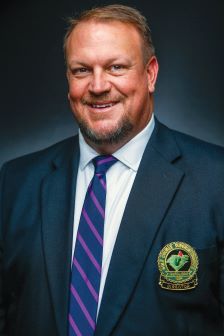
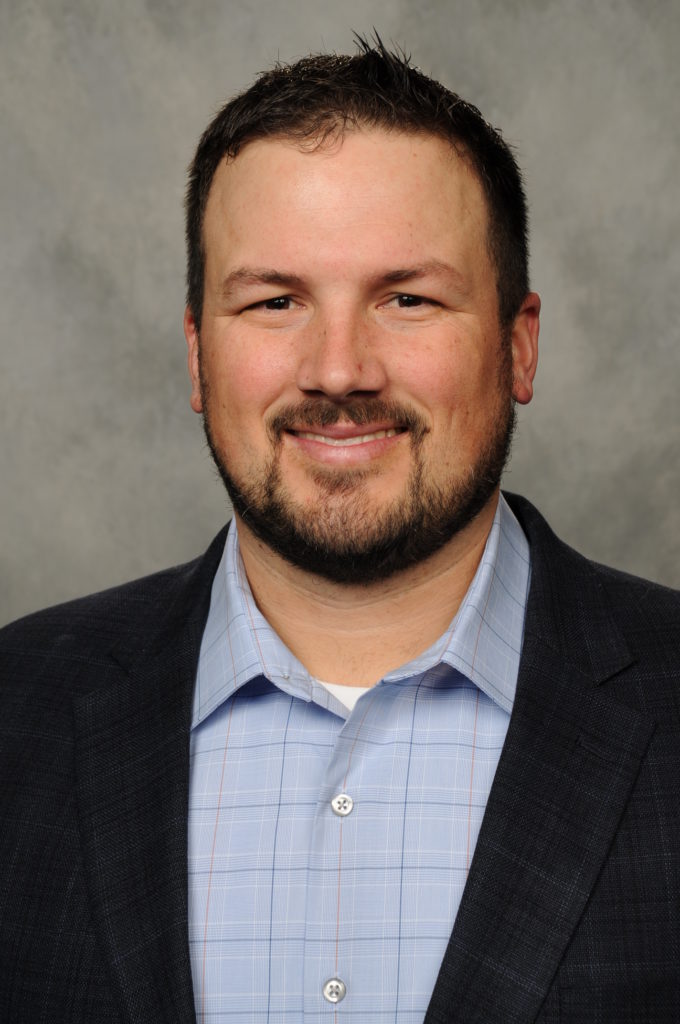
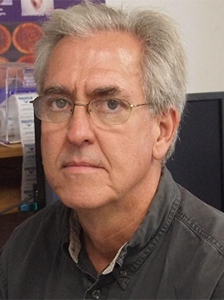
Alex Tolbert, Superintendent Orangeburg Country Club, Orangeburg, SC
February 14 To March 16 2022 Meeting 1:00PM EST to 2:30PM EST
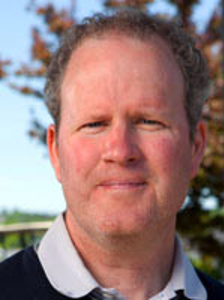
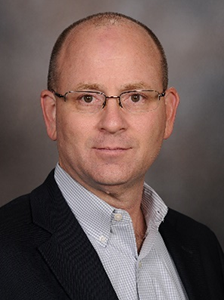
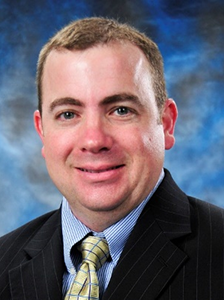
Paul MacCormack, Superintendent and General Manager, Fox Meadow Golf Course, Prince Edward Island, Canada
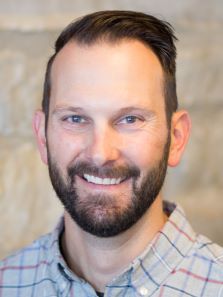
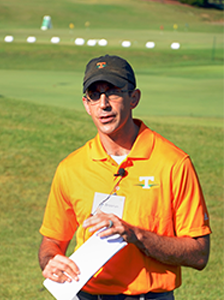
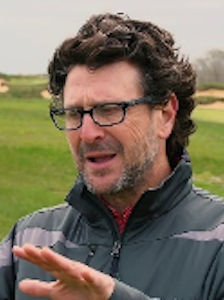
Chris Tritabaugh, Golf Course Superintendent, Hazeltine National, Chaska, Minnesota
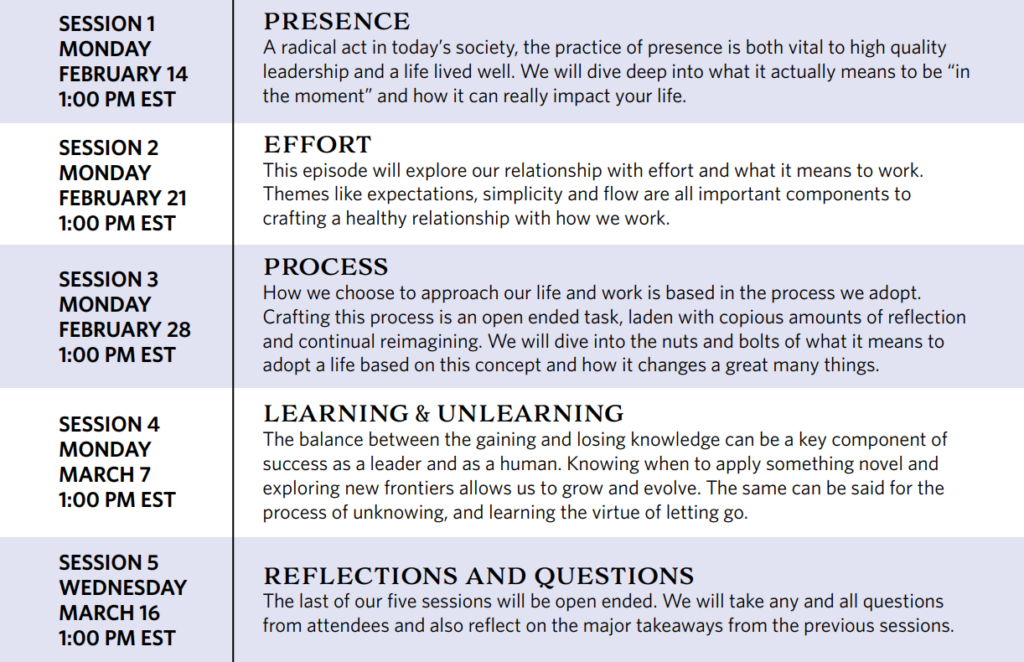
In response to popular demand, not to mention the demands of our time, the Carolinas GCSA is proud to present a special seminar series on leadership. Deep Roots Leadership is a five-part virtual seminar series delivered by Paul MacCormack and Chris Tritabaugh, beginning on February 14. The series will take a deep dive into what it takes to be an effective, efficient and healthy leader in today’s society.
MacCormack, superintendent and general manager at Fox Meadow Golf Club in Canada, has built a strong reputation bringing mindfulness and self-care tools to golf course superintendents in recent years. Along the way, he has worked closely with Tritabaugh, golf course superintendent and 2016 Ryder Cup host at Hazeltine National Golf Club.
“We’re excited to make this opportunity available to our members,” says Carolinas GCSSA executive director, Tim Kreger. “Paul was a great contributor during Conference Comes to You and we have had nothing but great feedback from members who have been a part of his sessions. I’m sure what he and Chris will bring to the table on leadership will be just as eye-opening.”
Seminar Education Partners
Paul MacCormack
Paul MacCormack is the golf course superintendent and general manager of Fox Meadow Golf Course, located in Stratford, Prince Edward Island, Canada, where he lives with his wife, Jill, and three children, Maria, Lucas and Clara. Paul is also the author of The Mindful Superintendent Blog on TurfNet and a frequent speaker on the value of mindful living.
Chris Tritabaugh
Since 2013 Chris Tritabaugh has been the Golf Course Superintendent at Hazeltine National Golf Club in Chaska, Minnesota. In 2016 Hazeltine played host to the 41st Ryder Cup matches, and in 2019 Hazeltine hosted the KPMG Women’s PGA Championship. In the coming years the Club will host the 2024 US Amateur Championship and in 2029 will become the first American club to host a second Ryder Cup. In more than 15 years as a Golf Course Superintendent, Chris has worked hard to develop and fine tune an enjoyable, stimulating, and inspirational workplace culture.
Chris is a 2001 graduate of the University of Minnesota. He and his wife Lindsay have three children: Olive (13), Penelope (11) and Edwin (2).
Once you have completed all 5 sessions a Conference Comes To You certificate will become available.
Paul MacCormack, Superintendent and General Manager, Fox Meadow Golf Course, Prince Edward Island, Canada
Guests – Sean Reehoorn, Aldarra Golf Club • Callum Haugn, Halifax Seed Co.
We will be discussing themes surrounding the process of knowing oneself and also unlearning/dismantling unhelpful habits.
Paul MacCormack is the golf course superintendent and general manager of Fox Meadow Golf Course, located in Stratford, Prince Edward Island, Canada, where he lives with his wife, Jill, and three children, Maria, Lucas and Clara. Paul is also the author of The Mindful Superintendent Blog on TurfNet and a frequent speaker on the value of mindful living.
Sean Reehoorn is the Golf Course Superintendent at Aldarra Golf Club in Sammamish, since January 2015.Prior he was the Assistant Superintendent at Aldarra. He graduated from Michigan State University in 2004 with a Bachelor of Science in Turfgrass Management. Golf was a major focus in his life growing up in Burlington, WA that lead him to a career in Golf Course Management. A 17 year member of the GCSAA and currently serves as the Delegate for his local Association Chapter and on the Education Task Force for GIS.
Rob J. Richardson, Ph.D., Professor and Extension Specialist, Aquatic and Non-Cropland Weed Science, North Carolina State University, Raleigh, North Carolina
Whether ponds serve as visual focal points for your property or an irrigation source, aquatic weeds can interfere with the appearance and use of the waterbody. Proper management techniques can keep these weeds at bay and allow full use of your water body. This seminar will give superintendents a complete overview of how to manage their aquatic resources including water quality, aquatic plant identification, and integrated best management practices for control of the major aquatic weed problems. Specific instruction on the newest aquatic herbicides, use of aquatic herbicides in irrigation sources, and management of marginal areas will be emphasized. An overview of relevant rules and regulations that apply to management of aquatic resources will also be covered.
GCSAA Credits: .20
BIGGA Credits: 2
Pesticide Credits (*aquatic credits) for these states:
Dr. Rob Richardson is a Professor and Extension Specialist at North Carolina State University. His primary appointment focuses on research and extension related to aquatic plant management. Rob has many years of experience in aquatic plant management and advises aquatic managers across the U.S. as well as internationally. He is a past-president of the Aquatic Plant Management Society and former editor of the Journal of Aquatic Plant Management. He currently serves on the Weed Science Society of America board of directors and serves as a subject matter expert to U.S. Environmental Protection Agency on aquatic plant management.
Jim P. Kerns, Ph.D., Associate Professor of Entomology and Plant Pathology, North Carolina State University, Raleigh, North Carolina
E. Lee Butler, Extension Coordinator of Entomology and Plant Pathology, North Carolina State University, Raleigh, North Carolina
This workshop will focus on the most important aspects of developing a fungicide program while trying to keep this topic fun. Given the plethora of fungicides on the market, the workshop will present an historical overview of the development of fungicides. The presenters will cover the factors that govern fungicide performance such as fungicide rates, timing, post-application irrigation, and how fungicides move on and within the plant. The workshop will then move into diseases that are difficult to control such as root diseases, dollar spot, and nematodes. Finally, the presenters will deliver an overview of diseases observed in recent years.
Each attendee will have the option to use a worksheet the presenters have developed to assist them in putting together a strong fungicide program for both bermudagrass and creeping bentgrass. The presenters will instruct attendees how to use the worksheet and will also offer attendees the opportunity to submit the fungicide worksheets for the presenters to review. The presenters plan to leave 15 to 25 minutes for questions and other topics.
This seminar will deliver an understanding on what fungicides do and how they work, as well as how they move on or within a turfgrass plant. Attendees will also learn to develop a fungicide program based on data and science rather than a calendar.
Lee Butler manages the turf diagnostics lab while remaining active in the turf pathology field research program. This allows him to work with turfgrass managers to develop effective disease management plans based on his knowledge of current disease activity and observations made in fungicide efficacy trials. After receiving his B.S. degree in Turfgrass Management from NC State, Lee worked in the golf course and landscape management industries before returning to NC State to pursue an M.S. degree in Plant Pathology. During his graduate studies, Lee developed effective control recommendations for spring dead spot control in bermudagrass turf. In addition to speaking at various conferences and meetings across the United States, Lee gives guest lectures in the College of Agriculture and Life Sciences and in the College of Natural Resources at NC State University.
Dr. Jim Kerns is an Associate Professor and Extension Specialist of Turfgrass Pathology at NC State University. His program focuses on the etiology, epidemiology and management of turfgrass diseases of both warm- and cool-season grasses. His program actively researches how fungicides move in the root zone after post-application irrigation, take-all root rot etiology and management, and Pythium root rot management. Each year, his program conducts 50 to 70 different fungicide efficacy trials and examines over 400 samples for disease in the turfgrass diagnostic lab.
L. Bert McCarty, Ph.D., Professor of Turfgrass Science, Clemson University
Agronomic, cultural and pest management strategies for managing and controlling major weed pests on golf courses are the focus of this seminar. Topics to be covered include weed biology, herbicide mode-of-action, application timing, effective products, new products and PGR use. The emphasis will be on integrated weed management that includes herbicides, weed life cycles and cultural control options. A special emphasis will be on herbicide resistant weeds, how to identify them and management options to prevent and/or manage such biotypes.
This seminar will help attendees understand the importance of weed biology and life cycles for successful management of turfgrass weeds; how to manipulate turfgrass agronomic and herbicide practices to prevent weed population shifts to more difficult-to-control or herbicide resistant weeds; and make informed decisions on weed control based on the latest research and experiences of the presenter and attendees alike. There will also be a review of the latest information on Poa annua management in warm- and cool-season turfgrasses and an outline of the degradation and transfer processes affecting potential herbicide movement and breakdown. The seminar will also cover the use of PGRs for foliar suppression, improving putting speeds and turf quality, as well as common herbicide misapplication problems and prevention of herbicide/weed resistance using actual field case studies.
Dr. Bert McCarty is a Professor of Horticulture specializing in turfgrass science and management at Clemson University in Clemson, South Carolina. In 2014, he received the Fred Grau Award from the Crop Science Society of America as the top national and international turfgrass science researcher, and is a societal Fellow, the highest recognition bestowed by the society. He was also selected as a Fellow of the American Society of Agronomy in 2016.
He has authored or co-authored 11 books, hundreds of book chapters, journal articles, research reports and more. He has delivered nearly 600 scientific presentations and abstracts and is a co-author for the GCSAA seminars, “Weed Control, Advanced Weed Management, Advanced Management of Bermudagrass Golf Greens,” and “Advanced Management of Bentgrass Golf Greens.”
Tyler G. Bloom’s, Tyler Bloom Consulting, Nescopek, PA
Securing top talent in today’s environment is getting harder and harder. Learn strategies on how to find, develop and keep great employees and rise above the labor crisis. These strategies will inspire you to change the way you recruit, hire and lead your employees with surprising results.
This seminar will help you perfect your workplace culture and leverage the power of community, educational, and government networks and programs. Attendees will also learn techniques to harness the value in under-tapped labor pools like veterans, retirees and people with disabilities, and implement thoughtful, unique and digital job advertising techniques.
GCSAA Credits: .20
BIGGA Credits: 2
Pesticide Credits for these states:
MD: 4, OH: 2, DC: 2
Tyler Bloom is the principal owner of TBloom, LLC and specializes in workforce development and leadership training for the turfgrass, green and hospitality industries. Tyler spent 17 seasons in the golf industry, six as the Golf Course Superintendent at Sparrows Point Country Club in Baltimore, Maryland. His career stops include Merion, Southern Hills, Muirfield Village and Oakmont Country Club. A 2009 graduate of Penn State University, Bloom is a Certified Partner with the Predictive Index, a talent optimization company.
S. Bruce Martin, Ph.D., Emeritus Professor of Turf Pathology, Plant and Environmental Sciences Department, Clemson University, Pee Dee Research and Education Center, Florence, South Carolina
Jim P. Kerns, Ph.D., Associate Professor of Entomology and Plant Pathology, North Carolina State University, Raleigh, North Carolina
J. Bryan Unruh, Ph.D., Professor of Environmental Horticulture, University of Florida, Jay, Florida
Old Tom Morris may not be as old as King Arthur, but he too cast his followers on a quest for a goal, a grail, that has proved elusive over centuries, the pursuit of the perfect golf course grass. For golf course superintendents, the search will likely never end, but science constantly brings new clues to challenges old and new. In this forum, three experts in their field discuss and explore answers to the ailments affecting warm-season turfgrasses including bermudagrass, zoysiagrass and paspalum. They will also detail avenues for promoting optimal conditioning.
The roundtable format allows each presenter to weigh-in with their unique perspective on key issues that influence the health and performance of warm-season turfgrasses. Attendees will have the opportunity to pose questions to these presenters who draw from decades of experience in some of the game’s most concentrated regions in the world. From Florida to the Carolinas, they have talked, walked and worked with superintendents at the far ends of the budget spectrum and all parts in between.
Dr. Bruce Martin is Emeritus Professor of Plant Pathology, and the former research and extension turfgrass pathologist for South Carolina. He has been active in turf research, extension and teaching for 30 years with Clemson University. He holds degrees from Hendrix College, the University of Arkansas and North Carolina State University. Martin’s research emphasized disease control programs, nematode control, fungicide efficacy and diseases of turf caused by Rhizoctonia. He has authored or co-authored over 50 refereed journal publications, numerous popular articles and 14 book chapters.
In 2014, he received the Colonel John Morley Distinguished Service Award from GCSAA, among a list of honors that also includes the Fred V. Grau Award for Turfgrass Science from the Crop Science Society of America, the Outstanding Plant Pathologist for the Southern Division, American Phytopathological Society, the Distinguished Service Award from the Carolinas GCSA and the Outstanding Service award from the Turfgrass Council of North Carolina.
Dr. Jim Kerns is an Associate Professor and Extension Specialist of Turfgrass Pathology at NC State University. His program focuses on the etiology, epidemiology and management of turfgrass diseases of both warm- and cool-season grasses. His program actively researches how fungicides move in the root zone after post-application irrigation, take-all root rot etiology and management, and Pythium root rot management. Each year, his program conducts 50 to 70 different fungicide efficacy trials and examines over 400 samples for disease in the turfgrass diagnostic lab.
Dr. J. Bryan Unruh is a Professor of Environmental Horticulture at the University of Florida, IFAS, West Florida Research and Education Center. Dr. Unruh received his Ph.D. from Iowa State University and his M.S. and B.S. from Kansas State University. Dr. Unruh’s turfgrass science research and extension program is at the forefront of improving Best Management Practices (BMPs), understanding and changing consumer preferences and behavior related to landscape management, and testing new and novel grasses that have improved turfgrass performance characteristics and require fewer inputs to maintain them. Dr. Unruh’s team was selected to develop the BMP Planning Guide and Template for GCSAA with the end-goal of having golf-centric BMP manuals in all 50 states by the end of this year. Recently, he was made a Fellow of both the Crop Science Society of America and American Society of Agronomy.
If you are a member of an official Partner Chapter, every seminar you take earns you one more chance to share in $30,000 in guaranteed cash giveaways. A total of 82 prizes – ranging from $100 to $2,500 – will be drawn, live on the Carolinas GCSA Facebook page at 1pm EST on December 21.
And yes, you can win more than once. The more seminars you take, the more chances you have to win.
To confirm your entry, you must watch a series of 90-second videos from our Industry Partners, who we all have to thank for making this conference possible. You don’t have to watch every video in one sitting. You can spread it out between the launch of Conference Comes to You on November 2, right up until midnight EST on Friday, December 18.
From November 2, once you have registered for a seminar, simply log onto your Conference Comes to You account, start watching from the menu of videos. Our software will track your progress and keep you up to date on your progress on your account page. Once you’ve seen them all, you’re automatically in the running to win.
Winners will receive their prizes in the form of a check in U.S. dollars and are responsible for all taxes.
Gina D. Rizzi, President of ARCUS Marketing Group and Radius Sports Group, San Francisco, California
Yes, that’s right – these three things have something in common. BMPs! Another BMP talk? C’mon, we’ve been talking about this stuff for years now. True. And it matters. It makes a difference for our courses, our industry, our communities and the environment. But this talk, well, it’s different.
This installment of BMP HERO!Bees, Buffers, and Bourbon shows why this effort is so critical – not only for golf course operations and environmental stewardship, but also for community and government relations. By the end of 2020, all 50 U.S. states will have published BMP guides. Superintendents have an opportunity to build on the national and state efforts, now at the facility-level.
While superintendents are being good environmental stewards and working toward optimal performance standards, green roofs and urban gardens are gaining recognition worldwide for the community value they provide – golf course superintendents play a leading role within this story. Golf courses positively impact communities through providing ecosystem services like pollinator and wildlife habitats, stormwater management, and reduction in the urban heat island effect. We will explore the current needs across our communities that the industry helps address through effective BMP adoption, communication and engagement.
And the Bourbon? Not just a catchy title … what a BMP story! For added fun, we will take a quick stroll down the bourbon trail correlating key BMPs that make a whiskey a bourbon and why these are crucial for quality, credibility and continuity. Assuming many of you will be in the comfort of your own home, tastings are at your discretion.
Expect an enjoyable, entertaining, and educational session.
Gina Rizzi, President of ARCUS Marketing Group and Radius Sports Group, is a speaker and passionate advocate for helping organizations drive innovation and financial performance while positively impacting society and the environment. Founded in 2010, ARCUS drives marketing strategy, sports marketing, media and corporate social responsibility initiatives for Fortune 500 companies. Radius, a wholly-owned subsidiary, provides sustainability consulting within golf and sports, including BMP development with GCSAA state chapters and facilities.
Gina received her M.B.A., Cum Laude, from the University of Notre Dame, B.A. Advertising, High Honors, from Michigan State, Certificates in GRI Sustainability Reporting Standards, Sustainable Energy Management from Presidio Graduate School, and Sustainability Best Practices from the Global Business Travel Association. She is a member of the U.S. Green Building Council, WE ARE GOLF Diversity Task Force, and a GCSAA affiliate member.
Earthworms are generally considered beneficial organisms; on golf courses, however, earthworms can cause issues with turf growth and management. Earthworm control is difficult because earthworms remain one of the most poorly understood groups of soil macrofauna and no pesticides are currently labeled for earthworm management. Turf managers usually rely on cultural practices to mitigate casting, with limited or varied efficacy. This presentation will cover earthworm biology, ecology and various management options.
Information presented in this class will help attendees understand earthworm ecology and environmental conditions that favor casting, learn cultural management options for suppressing casts, and understand the effects that certain turfgrass pest management options may have on earthworms.
Paige Boyle is a Presidential Doctoral Research Fellow at Utah State University. She earned a B.S. in Environmental, Soil, and Water Sciences and M.S. in Horticulture from the University of Arkansas. As part of her doctoral dissertation research at Utah State, she is studying clover inclusion for value-added turf. Her research background includes stream restoration design, in-vessel compost processing, and earthworm management on golf course turf.
Jim T. Brosnan, Ph.D. Professor of Turfgrass Weed Science, The University of Tennessee, Knoxville, Tennessee
This seminar will provide an overview of herbicide resistance within Poa populations of golf course turf. There will be a focus on the current status of resistance in Poa populations of golf course turf. This will include different types of resistance, modes of action, downstream consequences and more. Attendees will learn how resistance can evolve as a result of weed management decisions made on the golf course and strategies to mitigate resistance within Poa populations on greens, tees and fairways.
Dr. Jim Brosnan is a Professor in the Plant Sciences Department at the University of Tennessee (UT) and Director of the UT Weed Diagnostics Center. He earned a B.S. in turfgrass science from Penn State University, an M.S. in plant, soil and insect sciences (turfgrass) from the University of Massachusetts Amherst, and a Ph.D. in agronomy (turfgrass) from Penn State University.
His research focuses on controlling unique and problematic turfgrass weeds, particularly those with resistance to herbicides. His extension programs aim to provide education and diagnostic support to Tennessee’s $5.8 billion turfgrass industry.
Dr. Brosnan serves as an advisor to the Tennessee Turfgrass Association Board of Directors and is actively involved in the Weed Science Society of America, Southern Weed Science Society, GCSAA and Sports Turf Managers Association. He has consulted at multiple venues on the PGA Tour – including several major championship host sites – in addition to National Football League franchises.
Dr. Brosnan serves as an advisor to the Tennessee Turfgrass Association Board of Directors, and he is actively involved in the Weed Science Society of America, Southern Weed Science Society, Golf Course Superintendents Association of America, and Sports Turf Managers Association. He has consulted at multiple venues on the PGA Tour (including several major championship host sites) in addition to National Football League franchises. Dr. Brosnan received a B.S. in turfgrass science from Penn State University, an M.S. in plant, soil and insect sciences (turfgrass) from the University of Massachusetts Amherst, and a Ph.D. in agronomy (turfgrass) from Penn State University.
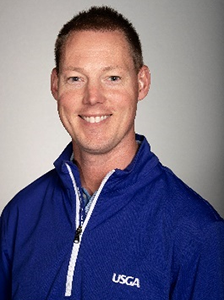
Adam Moeller, Director, Green Section Education, USGA, Easton, Pennsylvania
Bunker construction methods and sand selection have never been more complex or costly. This seminar will discuss the most important aspects of bunker construction and sand selection, so you can determine the best methods and sands for your course. Liner options for bunkers and their potential benefits and challenges will be a specific focus during this seminar.
Attendees will examine the critical factors that impact bunker performance including surface drainage, internal drainage, and design. There will also be discussion on the advantages, disadvantages, and relative costs of various bunker liners including novel materials such as Better Billy Bunker, Capillary Concrete, Matrix, Bunker Solutions, etc.
GCSAA Credits: .20
BIGGA Credits: 2
Pesticide Credits for these states:
MD: 4, TN: 2, VA: ✔, DC: 2
Adam Moeller joined the USGA Green Section’s Northeast Region as an agronomist in 2008, conducting course consulting service visits in Pennsylvania, New York, New Jersey, Connecticut and Ontario. He is based at USGA headquarters in Liberty Corner, NJ. In addition to his role as a consulting agronomist, he serves as Director of Green Section Education, guiding education and outreach materials related to golf course management.
Moeller graduated from Purdue University with an M.S. degree from the department of agronomy. His graduate research included the investigation of putting green rootzone management, fertility, PGRs, wetting agents, creeping bentgrass cultivars performance and bunker sands. A Wisconsin native, he received his B.S. in horticulture from the University of Wisconsin. He gained experience working on several golf courses in Wisconsin.
Ben A. McGraw, Ph.D., Associate Professor of Turfgrass Science, Penn State University, State College, Pennsylvania
The annual bluegrass weevil (ABW) remains the single most destructive insect pest in most regions in eastern North America. Though once a pest solely in the New York City metropolitan area, the weevil has slowly expanded its range to more southern, western, and northern regions. First reports of ABW damage have been documented in Kentucky, Arkansas, and Wisconsin in the last three years. Meanwhile, superintendents that have dealt with the insect for three or more decades are now experiencing difficulty in controlling the insect due to insecticide resistance and extreme weather events.
The seminar will present an overview of ABW management, with a focus on the biology of the insect as it relates to management, scouting techniques, and control options. Chemical controls, though limited, will be discussed in depth so that attendees can confidently develop a successful management plan. The latest research that is being conducted at Penn State University will be discussed. The talk will cover the impacts of climate on insecticide efficacy, emphasize the use of management practices that may lessen chemical insecticide use (cultural controls) and frequency, and discuss future threats.
Dr. Ben McGraw is an Associate Professor of Turfgrass Science at Penn State University, specializing in insect pest management. He obtained his M.S. in Entomology from the University of Massachusetts, Amherst and a Ph.D. in Entomology from Rutgers University. Dr. McGraw’s research focuses on understanding insect ecology and behavior to develop sustainable turf pest management practices. Current projects in the McGraw lab combine basic and applied approaches to better understand population dynamics and outbreaks to improve cultural and chemical controls, and to develop alternative control strategies.
Travis W. Gannon, Ph.D., Associate Professor, North Carolina State University, Raleigh, North Carolina
Pesticides are commonly used to manage weeds, insects and diseases on the golf course. While pesticides are one component of comprehensive pest management programs, it is imperative for managers to understand how to optimize pesticides without adversely affecting human or environmental health. Attendees will gain a better understanding of pesticide fate and behavior and how to devise best management practices to minimize off-target pesticide injury and maximize pest control. This seminar will cover best management practices to minimize off-target pesticide movement and injury and discuss specific cases of off-target herbicide injury as well as cases where the desired turf was injured.
Dr. Travis Gannon is an Associate Professor of Turfgrass Science at North Carolina State University specializing in weed management and pesticide environmental fate and behavior. He obtained his B.S., M.S. and Ph.D. from NC State University in the Department of Crop and Soil Sciences. Dr. Gannon’s research program focuses on understanding various pests and optimizing pesticide programs for sustainable turfgrass management. Dr. Gannon currently advises five graduate students investigating various aspects of pest management and pesticide environmental fate and behavior and is actively involved in Weed Science Society of America, Southern Weed Science Society, GCSAA and Sports Turf Managers Association.
Gina Rizzi, President of ARCUS Marketing Group and Radius Sports Group, San Francisco, California
What makes someone a badass leader? It is not being uncompromising or intimidating. It is operating with passion and living authentically. Red-hot, badass leadership is stoked by purpose, compassion, and authenticity. The question is how do we ignite these qualities within ourselves? And within our teams?
Each year 70,000 strangers travel across the globe to Black Rock City, Nevada, to erect a fully autonomous, off-the-grid temporary city – using pure ingenuity, imagination and collaboration. This is Burning Man. And it sets the bar for creating community under extreme conditions.
This global cultural movement imparts dramatic personal growth, inspiration and a sense of humanity based on 10 guiding principles: Radical Inclusion, Gifting, Decommodification, Radical Self-Reliance, Radical Self-Expression, Communal Effort, Civic Responsibility, Leaving No Trace, Participation and Immediacy.
This seminar demonstrates how these 10 principles can be applied in the workplace to spark authenticity, collaboration and innovation. Building on “You Know You’re a Badass – What does Everyone Else See? And Why Does it Matter?” presented at the Golf Industry Show and state conferences nationwide – Badass Leadership! brings the authentic fire and flair of Burning Man to the virtual classroom.
Especially in a year like 2020, it’s time to harness the power within toward greater self-awareness and positive relationships with others in order to lead like a Badass to generate empowerment and drive productivity.
GCSAA Credits: .20
BIGGA Credits: 2
Pesticide Credits for these states:
MD: 4, DC: 2
Gina Rizzi, President of ARCUS Marketing Group and Radius Sports Group, is a speaker and passionate advocate for helping organizations drive innovation and financial performance while positively impacting society and the environment. Founded in 2010, ARCUS drives marketing strategy, sports marketing, media and corporate social responsibility initiatives for Fortune 500 companies. Radius, a wholly-owned subsidiary, provides sustainability consulting within golf and sports, including BMP development with GCSAA state chapters and facilities.
Gina received her M.B.A., Cum Laude, from the University of Notre Dame, B.A. Advertising, High Honors, from Michigan State, Certificates in GRI Sustainability Reporting Standards, Sustainable Energy Management from Presidio Graduate School, and Sustainability Best Practices from the Global Business Travel Association. She is a member of the U.S. Green Building Council, WE ARE GOLF Diversity Task Force, and a GCSAA affiliate member.
Bill D. Kreuser, Ph.D., Assistant Professor and Turfgrass Extension Specialist, Agronomy and Horticulture, University of Nebraska, Lincoln, Nebraska
Doug J. Soldat, Ph.D., Professor in the Department of Soil Science at the University of Wisconsin-Madison, Madison, Wisconsin
This seminar will discuss Plant Growth Regulators (PGRs) for use on cool-season, fine turf. Specific attention will be given to multi-year research results on how to use growing degree days (GDDs) to schedule PGR applications for consistent shoot and seedhead growth suppression as applied to creeping bentgrass, annual bluegrass, and Kentucky bluegrass.
Attendees will learn the different classes of PGRs and how they work to affect cool-season turf growth. Instruction will also include how and when to use PGRs for improving turfgrass health, while avoiding negative consequences of PGR overuse.
Bill Kreuser, Ph.D., is an Extension Specialist and Assistant Professor at the University of Nebraska-Lincoln. He earned his B.S. and M.S. degrees at University of Wisconsin-Madison and his Ph.D. at Cornell University. Kreuser’s research focuses on winter desiccation and spring green-up, iron layer formation in sand putting greens, and nitrogen fertilization management.
His appointment at UNL is 60 percent extension and 40 percent research. Kreuser worked as research manager at UW-Madison where he developed a GDD model to apply PGRs. During his time at Cornell, he also worked as a spray technician at the Robert Trent Jones Golf Course. Kreuser has been a GCSAA faculty member since 2013, teaching both seminars and webinars.
Doug Soldat, Ph.D., is a Professor in the Department of Soil Science at the University of Wisconsin-Madison. Soldat completed his B.S. and M.S. degrees in Soil Science from UW-Madison and earned a Ph.D. in Plant Science from Cornell University. His research and outreach programs are focused on improving turfgrass nutrient and water use efficiency. He advises the turfgrass management students at UW and teaches courses on turfgrass management and general soil science.
Doug J. Soldat, Ph.D., Professor in the Department of Soil Science at the University of Wisconsin-Madison, Madison, Wisconsin
Wetting agents are one of the most important tools in a superintendent’s toolbox. They are also one of the most misunderstood and mysterious tools. This seminar will focus on what we know and what we don’t know about wetting agents and the differences among the vast array of products on the market. By the end of this seminar, you will feel more confident in your ability to select wetting agents and how to employ them to improve soil water management.
Discussion will cover the terminology and fundamentals of wetting agents and hydrophobic soils, the different classes of wetting agents and which situation each product class is best used for. You will learn to read and understand independent research reports to help you make good economic and agronomic decisions regarding wetting agent selection and use.
Doug Soldat, Ph.D., is a Professor in the Department of Soil Science at the University of Wisconsin-Madison. Soldat completed his B.S. and M.S. degrees in Soil Science from UW-Madison and earned a Ph.D. in Plant Science from Cornell University. His research and outreach programs are focused on improving turfgrass nutrient and water use efficiency. He advises the turfgrass management students at UW and teaches courses on turfgrass management and general soil science.
Gerald (Lee) Miller Jr., Ph.D. Associate Professor and Extension Turfgrass Pathologist, University of Missouri, Columbia, Missouri
Soilborne turfgrass diseases are particularly difficult to diagnose and manage because the pathogens subversively infect and damage roots well before plant symptoms arise. This seminar will describe the soil environment in correlation with the biology and epidemiology of the pathosystem of soilborne diseases infecting cool-season turfgrasses. The course will also explain the crucial aspects of each disease cycle, highlighting where disease control measures can most effectively impede pathogen development.
Participants will learn to identify when a soilborne disease may be the cause of turf decline, understand the biology and life cycle of pathogens that infect roots of cool-season turfgrasses, incorporate specific cultural practices into a management program that will reduce the incidence or severity of the most common soilborne turf diseases, and select the most effective fungicide for a soilborne disease and apply it in the most efficient manner to maximize control.
Dr. Gerald (Lee) Miller is an Associate Professor of Turfgrass Pathology in the Division of Plant Sciences at the University of Missouri. Lee received his M.S. in Plant Pathology in 2001 at the University of Georgia and his Ph.D. in Plant Pathology at North Carolina State University in 2010. In between his graduate degrees, Lee served as the Manager of Turfgrass Research at the Chicago District Golf Association. Lee is currently the faculty lead for the MU Plant Diagnostic Clinic and directs both the Missouri IPM program and Pesticide Safety Education Program.
He also directs research and extension programs at MU focused towards disease control in turfgrasses. These responsibilities include providing disease diagnosis and control recommendations for the lawn, golf, sports turf, and sod industries in Missouri. His research activities center on the development of disease management strategies that require fewer inputs and result in sustainable, functional, and aesthetic turfgrass fields.
Brandon Horvath, Ph.D., Associate Professor of Turfgrass Pathology, University of Tennessee, Knoxville, Tennesee
John E. Kaminski, Ph.D., Professor, Turfgrass Management and Director of the Golf Course Turfgrass Management Program at Penn State University, State College, Pennsylvania
Frank S. Rossi, Ph.D., Associate Professor at Cornell University, Ithaca, New York
This session will be a focused discussion on the challenges associated with maintaining high performance cool-season turfgrass surfaces. We will discuss diseases, cultural practices, best management practices, and more to help you get more out of your cool-season turf surfaces. Bring your questions and enjoy a lively discussion.
You will learn about new chemistries and how to best employ chemistries, BMPs and other practices to help your turf achieve its full potential. You will also have the chance to discuss disease and turf management challenges in your area, and hear what these three experts would do to manage those challenges.
● Delaware & Maryland – Qualifies for 2 CEU’s for PFA
Dr. Frank Rossi (@fsr3) is an Associate Professor in the School of Integrative Plant Science at Cornell University where he leads the Urban Grassland Research and Education Program and teaches courses in plant science and food systems. He has published scientific books, chapters, articles, columns, videos, and podcasts, mostly because he can’t stop talking about grass. You can hear him on the popular “Frankly Speaking” Podcast @Turfnet.com.
Frank has had a long career advocating for excellence in environmental stewardship and is passionate about firm, fast, safe, playing surfaces. In fact, he was the lead agronomic consultant for the 2016 Olympic Golf Course in Rio de Janiero, Brazil and the grassland expert for historic venues in the New York metropolitan area such as Green-Wood Cemetery, Central Park, Bryant Park and Yankee Stadium. Frank has been recognized throughout his career among the most influential people in the Green Industry and won numerous awards including the 2018 GCSAA President’s Award for Environmental Stewardship.
John Kaminski, Ph.D., is an Professor in Turfgrass Management and Director of the Golf Course Turfgrass Management Program at Penn State University. He earned his B.S. at Penn State and his M.S. and Ph.D. at the University of Maryland. Kaminski’s research interests focus on golf course pest management and his university appointment includes 75 percent extension and 25 percent research. Kaminski’s standing in the turfgrass industry has been well-documented through the numerous awards he has received, including the Musser International Turfgrass Foundation Award of Excellence, the Watson Fellowship Award and the Award for Outstanding Collaboration between basic and applied research from the Potomac Chapter of the American Phytopathological Society.
He serves on the scholarship committee for the Penn State Department of Crop and Soil Science and has been an associate editor for the International Turfgrass Society Journal. In addition to many state and regional turfgrass conferences around the United States, Kaminski has lectured on multiple occasions in England, Scotland, Ireland, Netherlands, South Africa, Canada and Chile on topics relating to chemical and cultural management strategies to reduce turfgrass pests and improve playability. He has been a GCSAA faculty member since 2008.
Dr. Brandon Horvath, Ph.D., is Associate Professor of Turfgrass Pathology at the University of Tennessee. He joined the faculty May 1, 2009 in a role with 75 percent teaching and 25 percent research responsibilities. He earned his Ph.D. in Turfgrass Science from Michigan State University. Horvath’s research interests include the epidemiology of turfgrass pathogens and the development of strategies based upon epidemiological research to manage turfgrass diseases.